Please Join us Sunday @ 10:00 am
Online or in-person
Everyone is Welcome
Mark Your Calendars


Latest Sermon


National Day for Truth & Reconciliation
Today is the National Day for Truth and Reconciliation. This day honours the...

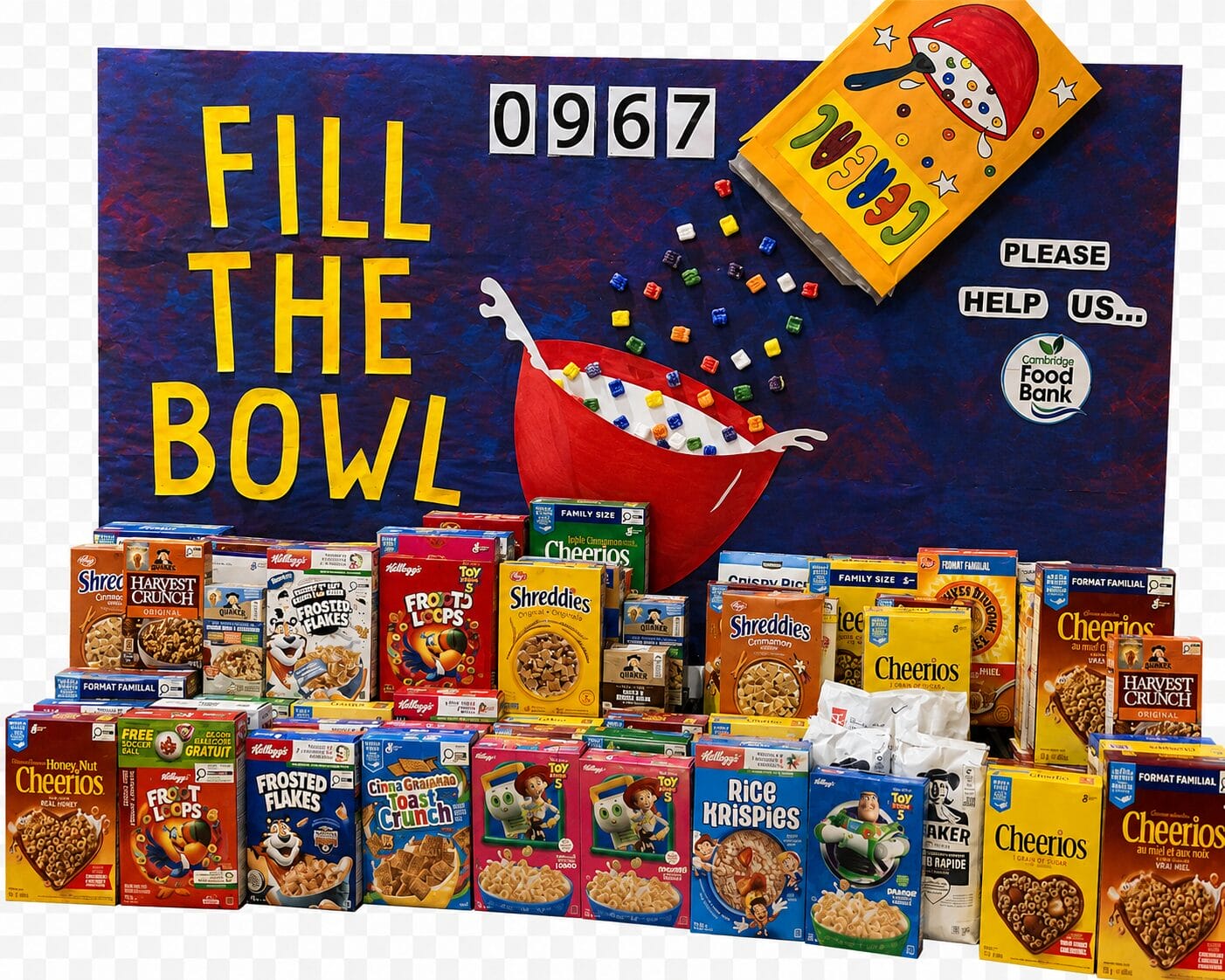
Bowled Over
Yes, we made it. 1,000 boxes of cereal by Labour Day Weekend.
Thank-you Central!

Youth & Young Adults Ministry Coordinator
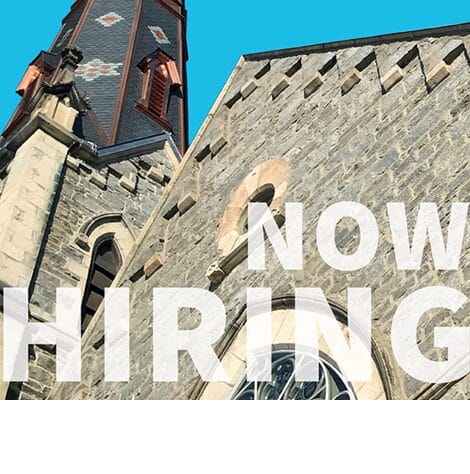
Now Hiring…
Central is seeking a Youth and Young Adult Ministry Coordinator.
A Forward thinking Minister
Central Church is seeking to call a new Minister.
The Final Week
Summer isn't quite over, and neither is our food drive for the Cambridge Food...
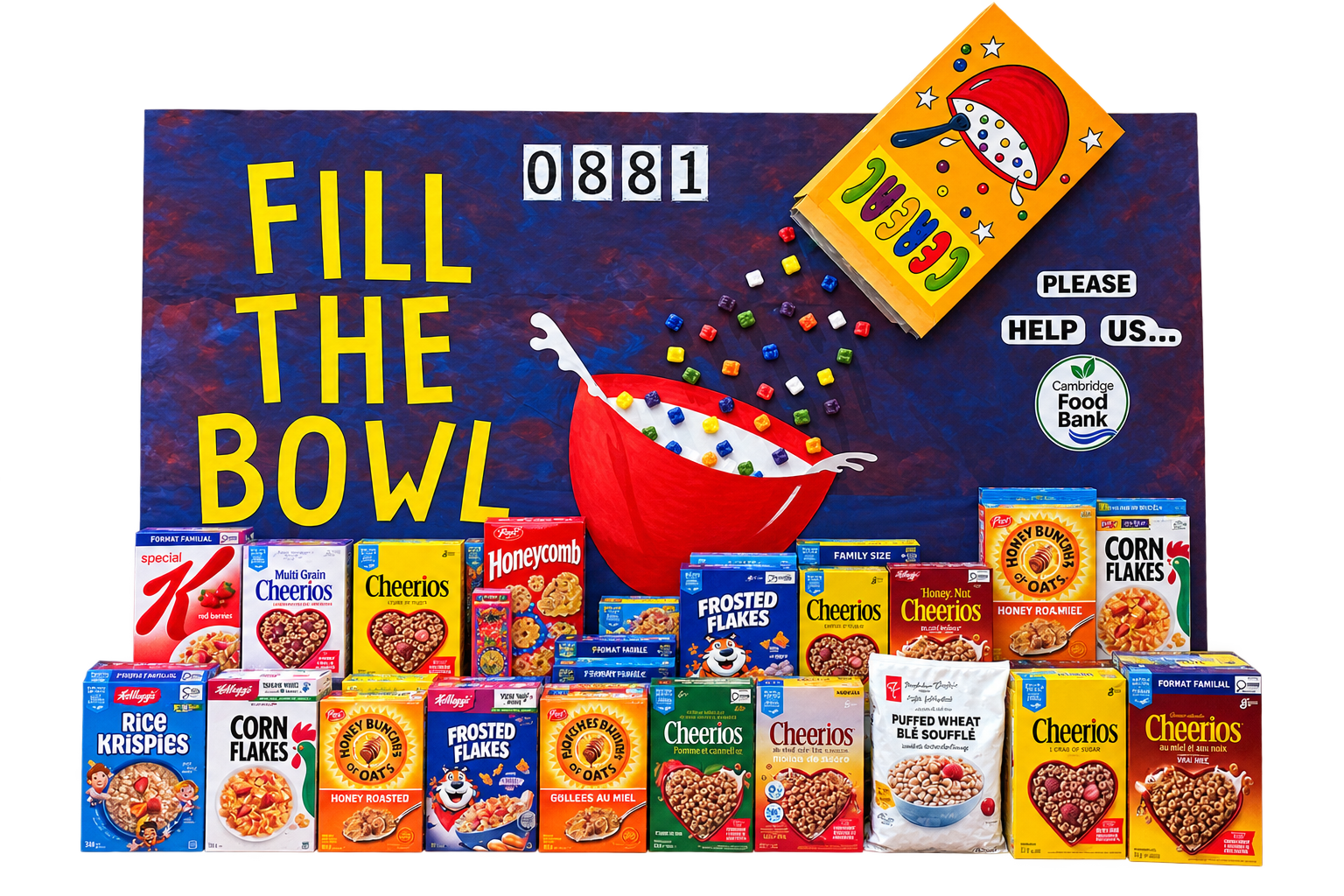
It’s Crunch Time
🥣 IT’S CRUNCH TIME! 🥣 Summer is almost over—and so is our Summer Food Drive!...
We believe in God our Father.
We believe in Christ his son
At Central, we believe that Jesus came, not just to step into the breach, to be the final and perfect sacrifice, but also to be an example, a demonstration of God’s love in action.
We believe that a Christian is a Christ follower, someone who follows the example that Jesus gave us. First and foremost, this means that to be a Christian you must follow his teachings. For a Christian church to be true to Christ, it must therefore be other-centered and loving; a place where everyone is welcome, no-one is perfect, and everyone is loved.
“But the angel said to them, “Do not be afraid. I bring you good news that will cause great joy for all the people. Today in the town of David a Savior has been born to you; he is the Messiah, the Lord.”
– Luke 2:11

Central Cares
Central believes in the importance of relationships. We believe that it is our duty to support each other and to care for each other.
Our "Central Cares" ministry supports our families and our members. When there is a crisis, we are there for our church family, making sure that they have the supports that they need.
Of course, not every need is a crisis. Maybe you just need a ride to church on Sunday. Our team of volunteers is there too.
"Just as I have loved you, you also are to love one another. By this all people will know that you are my disciples"
- John 13:34-35
Our Mission is to Make a Difference
At Central, we believe that Christianity ought to be a very practical faith. Done right, it’s about making a difference. We're at work, making a difference in our community and our World.
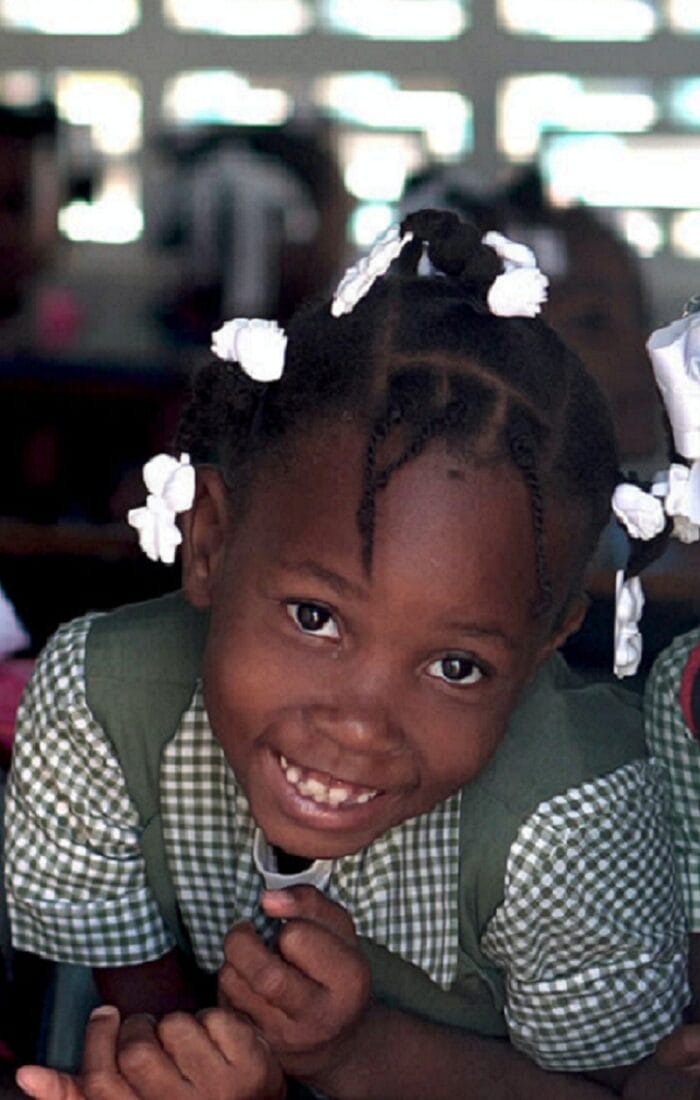
Our mission at Rachel's Home supports children orphaned by HIV. In Guatemala, we support the work our friends, the Ortiz family, in their efforts to build community. At home, we support many organizations including the Cambridge Self Help Food Bank.
“Blessed are the merciful, for they will be shown mercy. Blessed are the pure in heart, for they will see God.”
- Matthew 5:7-8
Get Involved
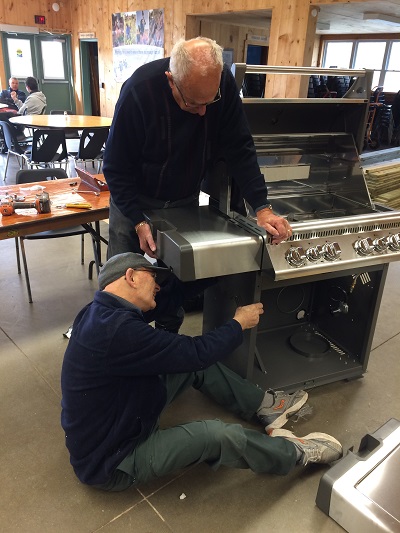
Central is a place where you can get your hands dirty, where you can serve, where you can work to make a positive difference in our world.
If you have a willing heart and willing hands, you have everything you need to help us make a difference.
"these three remain: faith, hope and love. But the greatest of these is love."
- 1 Corinthians 13:13
Restore the Roof
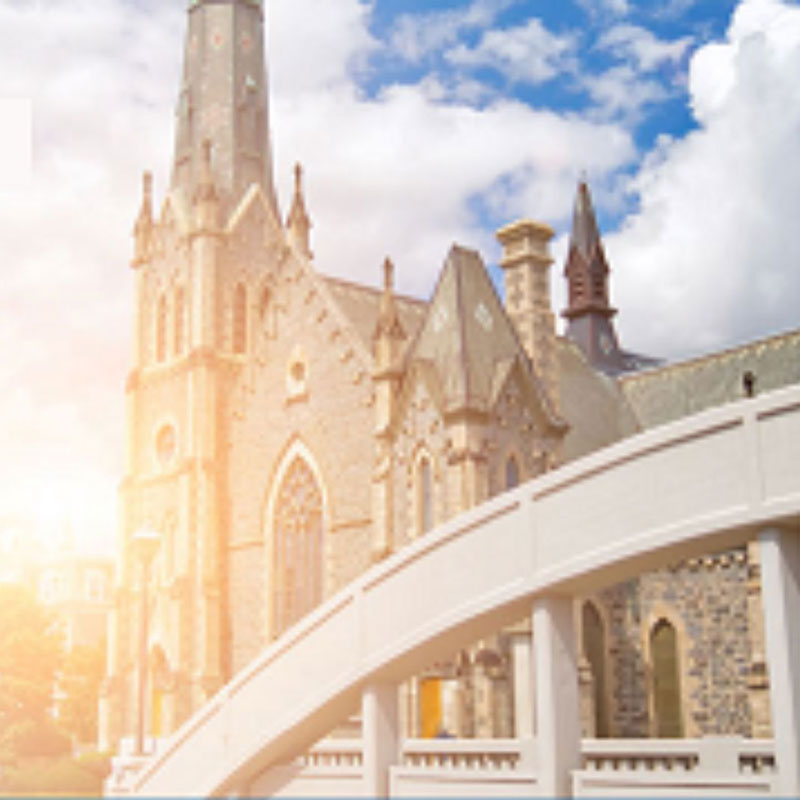
For more that 140 years, families in Cambridge have worshiped and celebrated in our historic building. After all that time, Central was beginning to show its age.
In response to a thorough engineering investigation, Central has undertaken a project to repair the roof, remortar the masonry, and reinforce the infrastructure.
With your help, we can ensure that Central is here for another 140 years, serving our community and sharing the good news.
A Member of
