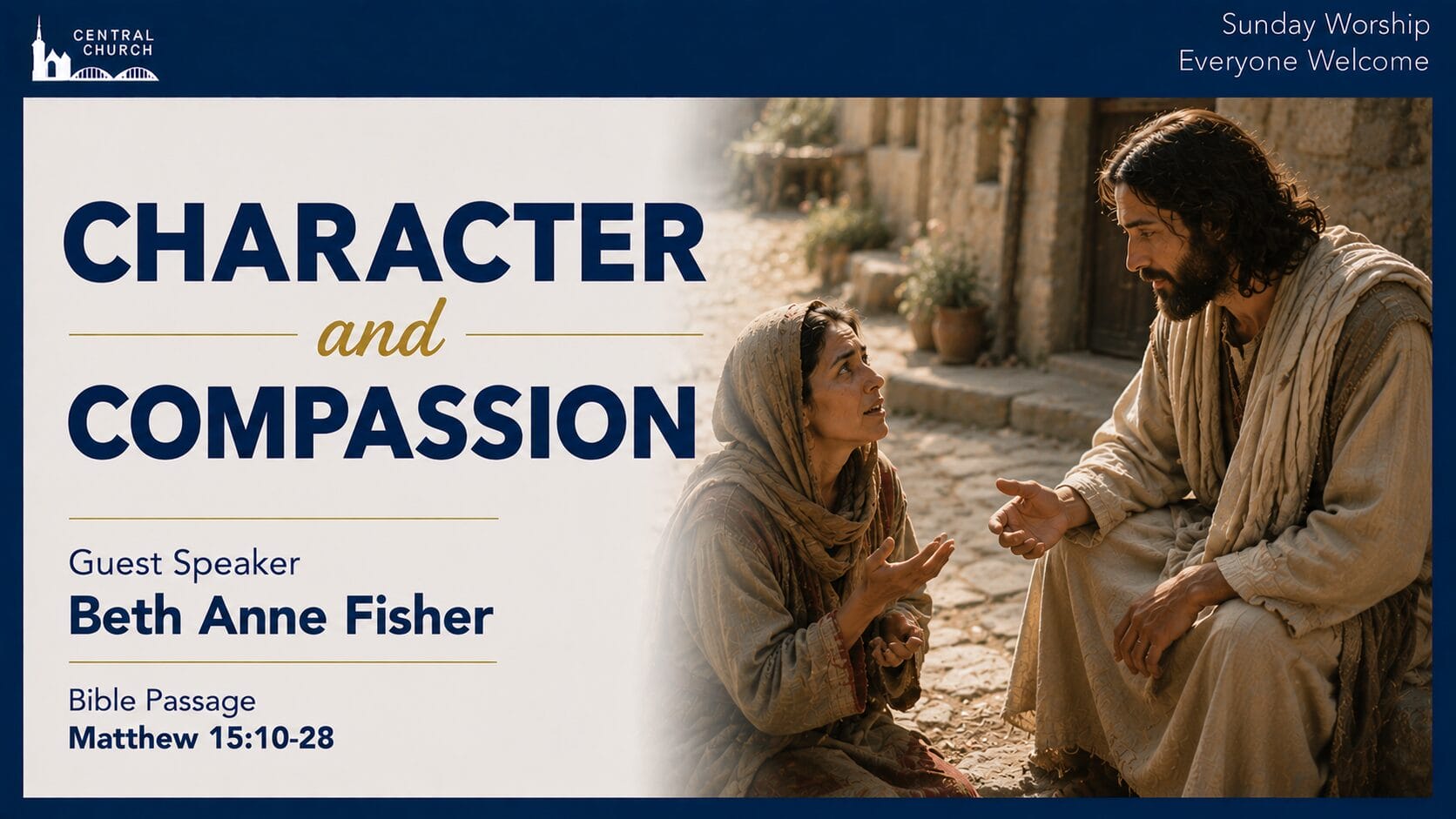
Matthew 15:10-28
10 Jesus called the crowd to him and said, “Listen and understand. 11 What goes into someone’s mouth does not defile them, but what comes out of their mouth, that is what defiles them.”
12 Then the disciples came to him and asked, “Do you know that the Pharisees were offended when they heard this?”
13 He replied, “Every plant that my heavenly Father has not planted will be pulled up by the roots. 14 Leave them; they are blind guides.[a] If the blind lead the blind, both will fall into a pit.”
15 Peter said, “Explain the parable to us.”
16 “Are you still so dull?” Jesus asked them. 17 “Don’t you see that whatever enters the mouth goes into the stomach and then out of the body? 18 But the things that come out of a person’s mouth come from the heart, and these defile them. 19 For out of the heart come evil thoughts—murder, adultery, sexual immorality, theft, false testimony, slander. 20 These are what defile a person; but eating with unwashed hands does not defile them.”
The Faith of a Canaanite Woman
21 Leaving that place, Jesus withdrew to the region of Tyre and Sidon. 22 A Canaanite woman from that vicinity came to him, crying out, “Lord, Son of David, have mercy on me! My daughter is demon-possessed and suffering terribly.”
23 Jesus did not answer a word. So his disciples came to him and urged him, “Send her away, for she keeps crying out after us.”
24 He answered, “I was sent only to the lost sheep of Israel.”
25 The woman came and knelt before him. “Lord, help me!” she said.
26 He replied, “It is not right to take the children’s bread and toss it to the dogs.”
27 “Yes it is, Lord,” she said. “Even the dogs eat the crumbs that fall from their master’s table.”
28 Then Jesus said to her, “Woman, you have great faith! Your request is granted.” And her daughter was healed at that moment.
Transcript
(Transcribed by TurboScribe)
I always get nervous when people clap before they've ever heard me speak. I feel like it means you're ready, but also the expectations. I'm just kidding.
It's an honour to be here this morning. Yeah, it's an honour to be here this morning. I've been in Central before for a couple of special events, but I haven't been here on a Sunday morning, and so it's a real honour and a privilege to worship with you.
When I'm invited to preach somewhere new, and especially at short notice or when there's sort of an emergency situation, I turn to the lectionary for two reasons. The first is that as a guest and a stranger to the community, I don't think it's fully my own, it's not fully my right, I would say, to choose what it is that you as a community need to hear. And if I just pull a text or decide, well, I like talking about this topic because I wrote my fancy thesis on it, so maybe I'll tell them about my thesis, that feels to me like I'm making a decision that I think is in part the Spirit's decision to make and needs to be connected to the community.
And so part of my role as a preacher, when I have the privilege of preaching, is to grapple with Scripture. When we think about, at least for me, people being set aside in ministry roles, part of that is that I am expected, and I think it's my responsibility, to spend the time really grappling with Scripture and to build on the years I've spent studying Scripture in a way that I recognise not everyone has the ability to do because we are living in a culture where we have to spend 40 hours working and then another 20 hours doing things that we can't do during those 40 hours, and then the only thing that's left is sleep, right? So part of my job is to be faced by the Scriptures, if that makes sense, that I don't get to also pick and choose and just decide, well, I only want to preach about these three things, or I like these verses, so I'm going to preach on these all the time. The lectionary, one of the things I appreciate about it is it says, here are some texts for today, go and preach on them.
And sometimes there's texts that I'm like, well, I'd really rather not preach on those. And thankfully for me, most churches don't use all of the lectionary texts, so I still have a bit of picking and choosing in that sense. Anyways, that's the first reason that I turn to the lectionary.
The second reason is, as I've said often when I'm a visiting preacher, it's because there's either a transition happening or there's been some sort of disruption to the regular routine. And when we have that kind of disruption, when you have an unfamiliar face and you have no idea if I'm preaching for 15 minutes or 35, I'm here now and there's nothing you can do. Just kidding.
It's helpful to have that familiarity. It's helpful to have an anchor and a thing that reminds us that you are connected to a greater body of faith. You as central Presbyterian may be experiencing something unexpected, some changes, some shifts, and yet you are still a part of a community that is beyond just who is here today.
And I am a part of that same community. We're a part of a community. We're a part of the Presbyterian church.
We're a part of the Protestant church. We're a part of the Christian church. And many of those churches use the lectionary.
There are many other churches in Canada and around the world today that will be hearing the scripture that I'm going to read from the Gospel of Matthew. And the Gospel of Matthew in this passage has been preached many times over the years and centuries of the practise of using the lectionary. And so even when things are unfamiliar, I want to, in using the lectionary, remind us all that we are rooted together through the scripture, through the Spirit of God, to other communities, to each other here, and to the history of the Christian faith.
So that's my intro to why I'm using the lectionary and how we ended up with the passage that I'm going to speak on today. With that in mind, let's pray and then I'm going to read the text from Matthew. God, we thank you that your word is true and it is powerful and it is a gift to us.
We thank you that the word we are hearing this morning is a word that other communities will also be hearing. That there will be different sermons preached about what this means for us. That through the years and centuries and around the globe, communities have heard this story and sought to live it out in their lives.
And so I ask that my words this morning would draw us closer to your word, the words of scripture, and your living word, Jesus Christ. Amen. So our reading this morning is from Matthew 15, and I think it's going to be on the screen, hopefully, verses 10 to 28.
So Jesus called the crowd to him and said, listen and understand, what goes into someone's mouth does not defile them, but what comes out of their mouth, that is what defiles them. Then the disciples came to him and said, do you know that the Pharisees were offended when they heard this? And he replied, every plant that my heavenly father has not planted will be pulled up by the roots. Leave them, they are blind guides.
If the blind lead the blind, both will fall into a pit. Peter said, explain the parable to us. Are you still so dull? Jesus asked them.
Don't you see that whoever enters the mouth goes into the stomach and then out of the body? But the things that come out of a person's mouth come from the heart, and these defile them. For out of the heart come evil thoughts, murder, adultery, sexual immorality, theft, false testimony, slander. Those are what defile a person, but eating with unwashed hands does not defile them.
Leaving that place, Jesus withdrew to the region of Tyre and Sidon. A Canaanite woman from that vicinity came to him crying out, Lord, son of David, have mercy on me. My daughter is demon possessed and suffering terribly.
Jesus did not answer a word. So his disciples came to him and urged him, send her away, for she keeps crying out after us. He answered, I was sent only to the lost sheep of Israel.
The woman came and knelt before him. Lord, help me, she said. He replied, it is not right to take the children's bread and toss it to the dogs.
Yes, it is, Lord, she said. Even the dogs eat the crumbs that fall from their master's table. Then Jesus said to her, woman, you have great faith.
Your request is granted. And her daughter was healed at that moment. So this story, this reading, takes place in the context of a conversation with the Pharisees.
Just before these verses, a group of Pharisees had come to Jesus and asked him, why don't your disciples observe the traditions of our fathers and wash their hands before eating? Now, this is not a question of physical cleanliness the way that we understand it today. It was another, I think about another 1,500 years before the science of hand washing and germ prevention was understood by us. This is a question of ceremonial cleanliness and of avoiding spiritual contamination.
The Pharisees wanted to make sure that any spiritual contaminants were removed from their bodies before they ate so that those spiritual contaminants would not enter their body. There are many rules about not touching certain things, not touching certain people, and the Pharisees were so concerned about observing these rules that they had made rules about the rules. This is something that perhaps you've heard before.
This was one of the things the Pharisees did. They said, well, we don't want to break the law, so we'll make these like buffer laws, and then if we don't break those, then we know we won't be breaking these, right? And so they'd made this rule about washing their hands to ceremonially cleanse themselves of any accidental contact with something that they thought was morally impure. And Jesus doesn't answer their question when they come and ask him this question.
When they say, why don't your disciples do this thing that are for, we've, you know, it's cultural. We've been doing this for hundreds of years. And Jesus doesn't answer their question.
Instead, he calls them hypocrites, first of all. He accuses them of preferring their own traditions over God's commands. He basically says, these rules that you've made, you prioritise them even when they mean breaking the rules that you think they're helping you keep.
And then he moves his attention from the group of Pharisees who had come up to him to the whole crowds that were gathered. And he turns to them, just the regular people. They're not specialists in the law.
They're not morally, they're not the purity police, if you will. They're the regular people. And he talks to them about the harm that the Pharisees are causing.
So when he does this, then he says the words that we heard at the start of the reading, this listen and understand. What goes into someone's mouth doesn't make them clean or unclean. It's what comes out of their mouth.
He shifts the attention from this idea of contamination to character. The idea that our moral development, if you will, is not about avoiding things. It's actually about what we are building within us.
So he says this, listen and understand. What goes into someone's mouth does not defile them, but what comes out of their mouth, that is what defiles them. And his disciples freak out a little bit.
They come to him and they're like, do you know that you offended the Pharisees? These are powerful people. Are you aware that you said some things they didn't like? And Jesus is like, I don't care. And he goes, and he says, every plant that my father didn't plant is going to be torn up by the roots.
They're blind guides. They're going to fall into a pit. He speaks very harshly about people with power who are using their power to avoid contamination and cast judgement on the people who have less power.
We see that in many places in the way that Jesus interacts with the Pharisees and others who had power. And then he says this metaphor about blind leading the blind. Peter, Peter, we love Peter.
He always wants to say, hey, Jesus got a question. Hey, Jesus, what about this? And he says, can you explain what you mean? I really want to be clear if you're saying what I think you're saying. And Jesus says, are you still so dull? You can hear Jesus' frustration.
How do you not understand yet? I've been saying this for so long. And then Jesus lists. He says, that's not what you eat.
Again, it's not this idea of following rules that are going to help you to avoid any possible wrongdoing. It's not fear-based. He says, it's what comes out of your heart that makes you unclean or defiled.
And then he lists several things. And I'm going to just mention them briefly. When I see lists like this, I often go to a Greek concordance, and I was just saying to Alexander before the service, I like to look up the words and get some of the nuance that we sometimes miss, or we don't know because different translations will have slightly different words for things.
So in this list, evil thoughts, very straightforward. Evil thoughts. Murder, also very straightforward.
Adultery, adultery. Sexual immorality specifically refers to prostitution, which in the context of Jesus' time would be sexual slavery, whether it was sexual slavery in a religious context outside of the Israelites' faith, or whether it was sexual slavery in a non-religious context, but that was the context of prostitution. And incest.
Those are the two things specifically that are included in that category of sexual immorality. And then theft. This word used for theft is not like a violent robbery theft.
It's a sneaky theft. It's fraud. It's the subtle theft.
False testimony. If theft is a sneaky, subtle thing, false testimony is knowingly, intentionally lying about what is true, often looked at in a judicial context. And this is the one other place this phrase is used in the Gospels, as in later on when they're talking about the Pharisees and the Sadducees looking for people who will give false testimony about Jesus when they're trying to get him arrested.
They went out looking for people who are willing to say things they knew were not true. And then slander. Slander is falsehoods that detract from someone else's good character, good reputation, and also includes blasphemy.
Blasphemy being failing to recognise the goodness usually of God or speaking against God's goodness. So these are the things that Jesus lists as this is what makes us defiled. This is what pulls down or challenges our moral goodness.
Now this in and of itself is a powerful story. It is so easy, I think, for those of us who want to please God to live our lives trying to please God by avoiding contamination, by avoiding anything that might make us catch some sort of wrong. There are people I'm sure we think, oh, I don't associate with those people because of their moral choices.
There are things that we do not do and there are things that we think, not only do I not want to do that, but I'm going to step back three levels and I'm not going to do that thing because I don't want to accidentally get to this thing. In and of itself, not a bad plan to have a knowledge of our own selves and our weaknesses, and yet when we find our sense of moral superiority perhaps in our ability to avoid those things, that's what Jesus is challenging. Jesus is saying that's actually not what it's about at all.
And then the very next story, the very next story, there's intentionality to how the authors of the Gospels arrange the stories. Sometimes they're chronological and sometimes they're put together to show something in the contrast or in the building. If you think about the story of the lost coin and there's this building towards the story of the lost sheep, right, there's a repetition of three stories in a row of those parables that are all very similar.
They're trying, they're building towards something. Here we see the contrast. So we have this exchange where Jesus says, you've got it wrong, you've got it wrong.
And then he goes to another place and a Canaanite woman comes and cries out, Lord son of David, have mercy on me. Now the Canaanites, the Samaritans, and the Israelites kind of all lived in the same region. If you remember the story of Jesus and the Samaritan woman, the Samaritan woman asked Jesus a question about what's the right way to worship.
We worship the same God. Your people say we worship in Jerusalem, my people say we worship here on the mountain. There was a shared element of faith and culture there.
And even the Samaritan or the story of the good Samaritan, we hear and we see that the Levites and the Pharisees crossed to avoid the Samaritan, right? Again, they didn't want to be contaminated. Well, the Canaanites didn't share any faith elements in the same way. The Samaritans were also monotheistic.
They had a sense of their heritage coming from the Abrahamic line. The Canaanites, on the other hand, were the people who lived here before Moses and the Israelites came. They were polytheistic.
They didn't share a faith system. So they were another level of contaminated, another degree of outside of what is appropriate, who you are allowed to interact with as an Israelite who is seeking to follow God's rules. And so this Canaanite woman comes and she says, and I love that she says, Lord son of David.
She names him as Lord, this title of respect, and son of David tells me that she knew something of the Israelite religion. She knew something about the messianic prophecies, that it was out of the lineage of David that this ruler would come. So she had some knowledge and she knew something about Jesus.
She knew that Jesus could help her. And Jesus ignores her. Jesus ignores her.
And the disciples come and say, send her away. She keeps crying out after us. There are other times that the disciples say, send this person away.
Send away those children. Don't bother Jesus with the children. Send away this sick person.
Send away all of these people who, again, were either contaminated or unimportant. And then Jesus says to the disciples, I came only to the lost sheep of Israel. Now this is very interesting.
There's a couple different ways of understanding this because we know most of us are not descended from the Israelites and core to the Christian faith is the belief that you don't have to follow ancient Judaic law in order to be a follower of Jesus. So why would Jesus say this? And I wonder if Jesus is saying what's expected or reaffirming this idea that we've just heard him challenge, which is this idea of separation and segregation in order to avoid contamination. And then the woman comes even closer.
She probably heard this. She heard this. She comes even closer and she says, Lord, help me.
And once again, Jesus turns to a parable or a metaphor and says, it isn't right to take the children's bread and toss it to dogs. This shocks me every time I hear it because it is so harsh. Because this is not what Jesus believes, I would say.
We don't hear Jesus saying anything like this anywhere else. I think, again, what's happening is Jesus is probably echoing a common saying. I would guess that this is probably something Pharisees would say, to say, no, thank you.
This is for Jewish people only, for the Israelites only. One of the things that Jesus said in his critique just before this passage, his critique of the Pharisees is, God says, honour your father and mother, and anyone who curses his father or mother must be put to death. So Jesus is saying, remember, this is a rule with literal life or death consequences.
But you say that if a man says to his father or mother, whatever help you might otherwise have received for me is a gift devoted to God. He is not to honour his father with it. Thus you nullify the word of God for the sake of your tradition.
You have this practise that you say, well, I'm going to get out of doing this simply by saying, well, actually, that's for God. And so there's this connection that I hear here between the ideas of the Pharisees saying, we can twist the words to get out of doing the things that we don't want to do, where we have these sayings, these things that are serving our desires. And Jesus says something that is out of character for him.
And the woman replies. He says, it is not right. And she says, yes, Lord, but, but, even the dogs eat the crumbs that fall from their master's table.
I get shivers when I read that, when I stop and hear her say, I'm willing to be a dog, just let me have some crumbs. I know you hate me, but please be kind to me. Then Jesus answered, woman, you have great faith.
Your request is granted. This story reminds me of two other stories. One is, as I mentioned, the story of Jesus and the Samaritan woman, where Jesus engages with a woman who's outside of the culture and challenges the norms and expectations, shows compassion, shows curiosity.
It also reminds me of the story of the wedding in Cana, where Jesus's mother comes and they're run out of wine. And she says to the servants, do whatever Jesus tells you. And Jesus says, no, it's not my time yet.
And then she says, don't listen, do whatever he tells you. And then he turns the water into wine. That's the only other place that I can think of where we see Jesus change his mind in a moment, or it seems that he's changing his mind, that there's this presentation of one sort of choice, and then the end result is something different.
I think it's very interesting and very important that these are all stories with women, and that there's the story of Jesus with his mother, then there's a story of Jesus with a Samaritan who's one step removed from the system, and then Jesus and the Canaanite woman who's two steps removed, fully other. So what does this mean for us today? Why do these two vignettes from Jesus's life matter? Well, the first is a question that I would ask us all is, do we seek to follow God by avoiding contamination, or are we seeking to follow God by building our inner character? Those might look the same in some of the choices that we make sometimes, and sometimes they're going to be very different results. But which is our heart? What is inside of us? Are we avoiding contamination, or are we building character? And then how does that connect to compassion and kindness, and how we engage with the people that we consider morally other, the people who we would say could contaminate us? And I'll be honest.
There are people that I know that I think, I don't want to be around those people because their morals repulse me, or their morals make me so angry that I don't actually want to be kind to them. And I say that because, again, these are the things that Scripture challenges each of us to. There's no one exempt.
We all have that pull, compassion and character. And are we willing to have our minds changed? If Jesus is willing to change His mind, if Jesus is willing to go from calling someone a dog to healing their daughter, are we willing to do the same? And perhaps some of you feel more like the Canaanite woman than a Pharisee. Perhaps people have fed you religious platitudes, telling you your suffering is because of your sin, or you aren't allowed to do this until you do that because this is the marker of moral rightness.
If Jesus is willing to listen to a Canaanite woman, someone He refers to as a dog. Again, I don't think He actually thought that. I think that He was quoting a phrase that was culturally the belief.
But if Jesus is willing to engage with someone that the community considered not even really human, who are we willing to engage with? And who has the right to persist in asking God for help? Everyone. This woman was persistent. She was crying out enough that the disciples said, send her away.
She's a nuisance. She's being loud. Tell her to get lost.
Then she comes even closer. Lord help me. Then Jesus speaks harsh words to her and she's still not deterred.
The Canaanite woman is a woman of great faith. You have great faith, Jesus says to her. He called His disciples